About UsDhamma School Project

Buddhist Education for Children

Dhamma School Project

Through our Dhamma School project, we strive to make the Buddha’s teachings accessible to more children and families around the world, creating lasting benefits for the welfare and happiness of many.

SecPageImageL4

English Dhamma School Project

Executive Summary

The English Dhamma School project is a flagship initiative of Rev. Piliyandala Mahindavijaya Thero—founding director of the Gothamachethiya Theravada Buddhist Association, Inc. and abbot of the Gothamachethiya Mangalagiri Buddhist Monastery in Wattegama, Sri Lanka. This initiative was established to provide authentic Theravada Buddhist education in English to children who might otherwise lack access to these teachings. It primarily serves Sri Lankan Buddhist children living overseas, as well as those studying in English-medium environments.

In today’s rapidly changing world, many young people are becoming disconnected from traditional Buddhist values and teachings. Without proper guidance regarding wholesome (kusala) and unwholesome (akusala) actions, children may struggle to develop strong moral foundations. This project seeks to address this challenge by providing engaging, age-appropriate Buddhist education that helps children cultivate virtue, mindfulness, compassion, wisdom, and respect for Buddhist traditions.

Currently, the program serves students globally through online classes and locally through a physical Dhamma School in Kandy, Sri Lanka. We seek financial support to strengthen and expand this important initiative.

Background and Need

Many Sri Lankan Buddhist families living overseas face challenges in providing consistent Buddhist education to their children. Language barriers, lack of qualified teachers, and limited access to English-medium Dhamma programs often result in children growing up with little understanding of Buddhist teachings and values.

At the same time, many children educated in English-medium schools within Sri Lanka also require Dhamma instruction that is accessible and relevant to their educational background.

The English Dhamma School Initiative was created to fill this gap by offering high-quality Buddhist education in English while preserving the authentic teachings of Theravada Buddhism.

Project Objectives

The primary objectives of this project are:

  1. To teach Theravada Buddhist principles in English.
  2. To cultivate moral and ethical values among children.
  3. To promote wholesome conduct and discourage unwholesome behavior.
  4. To preserve Buddhist culture and heritage among overseas Sri Lankan communities.
  5. To develop mindfulness and concentration through meditation.
  6. To foster understanding of Buddhist history and traditions.
  7. To create a global community of young Buddhists connected through Dhamma learning.

Current Program Activities

Our Dhamma School Project provides Buddhist education to children through weekly online and in-person programs, as well as special Dhamma events throughout the year. Students learn the life of the Buddha, basic Dhamma teachings, meditation, mindfulness, moral values, Paritta chanting, Buddhist history, and culture through interactive lessons, stories, discussions, and activities.

Online Dhamma School

Our Online English Dhamma School serves Sri Lankan Buddhist children living overseas who may not have access to authentic Theravāda Buddhist education. To accommodate different regions, we conduct two weekly sessions covering time zones across Asia-Pacific, Europe, the Middle East, North America, and Australia. The program helps children develop a strong foundation in the Dhamma while maintaining their Buddhist identity and values.

Session 1

Time: 7:00 AM Sri Lanka Time

Target Regions:

  • Australia
  • New Zealand
  • Singapore
  • Other Asia-Pacific countries

Session 2

Time: 7:00 PM Sri Lanka Time

Target Regions:

  • Middle East
  • Europe
  • United Kingdom
  • Canada
  • United States of America

Physical Dhamma School – Kandy, Sri Lanka
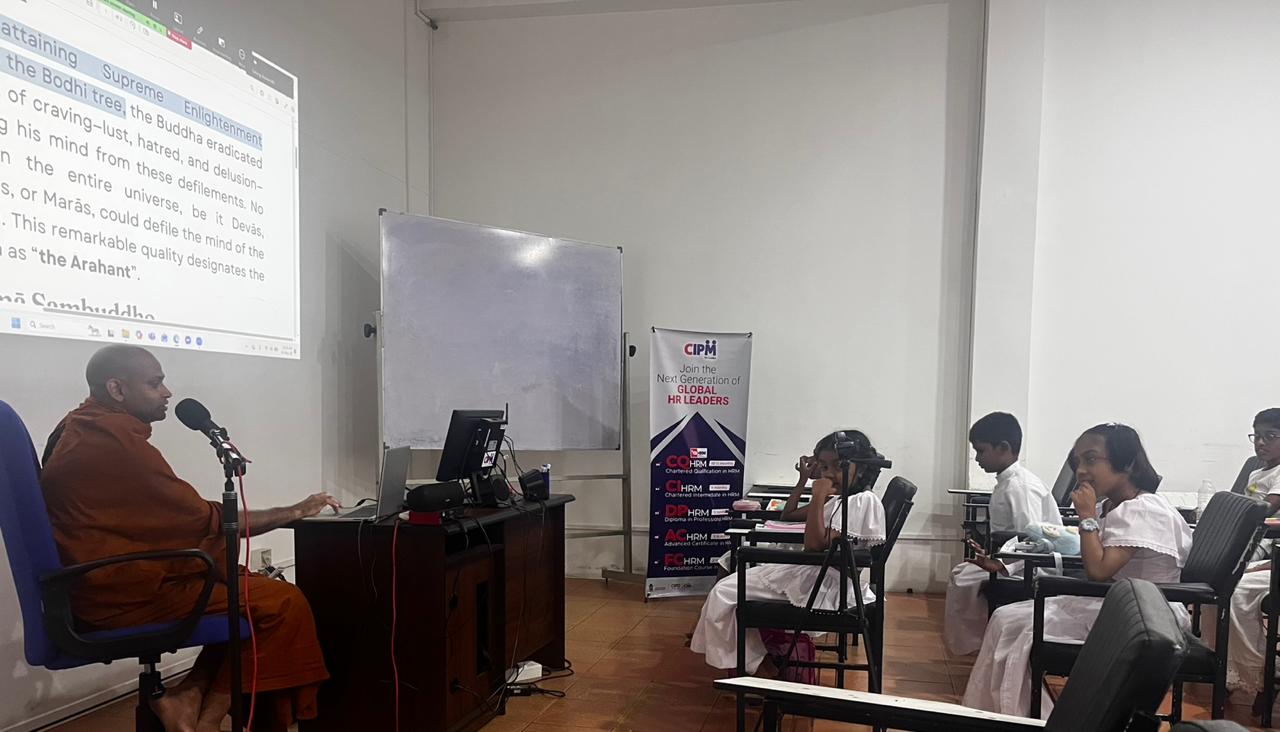
Along with the online program, we conduct a weekly physical Dhamma School every Saturday in Kandy, Sri Lanka. This program offers an engaging learning environment in a rented classroom space, utilizing a multimedia projector to show Dhamma videos alongside interactive teaching resources. Moving forward, this Kandy location will serve as the official model for our future expansion throughout Sri Lanka.

Special Children’s Dhamma Programs
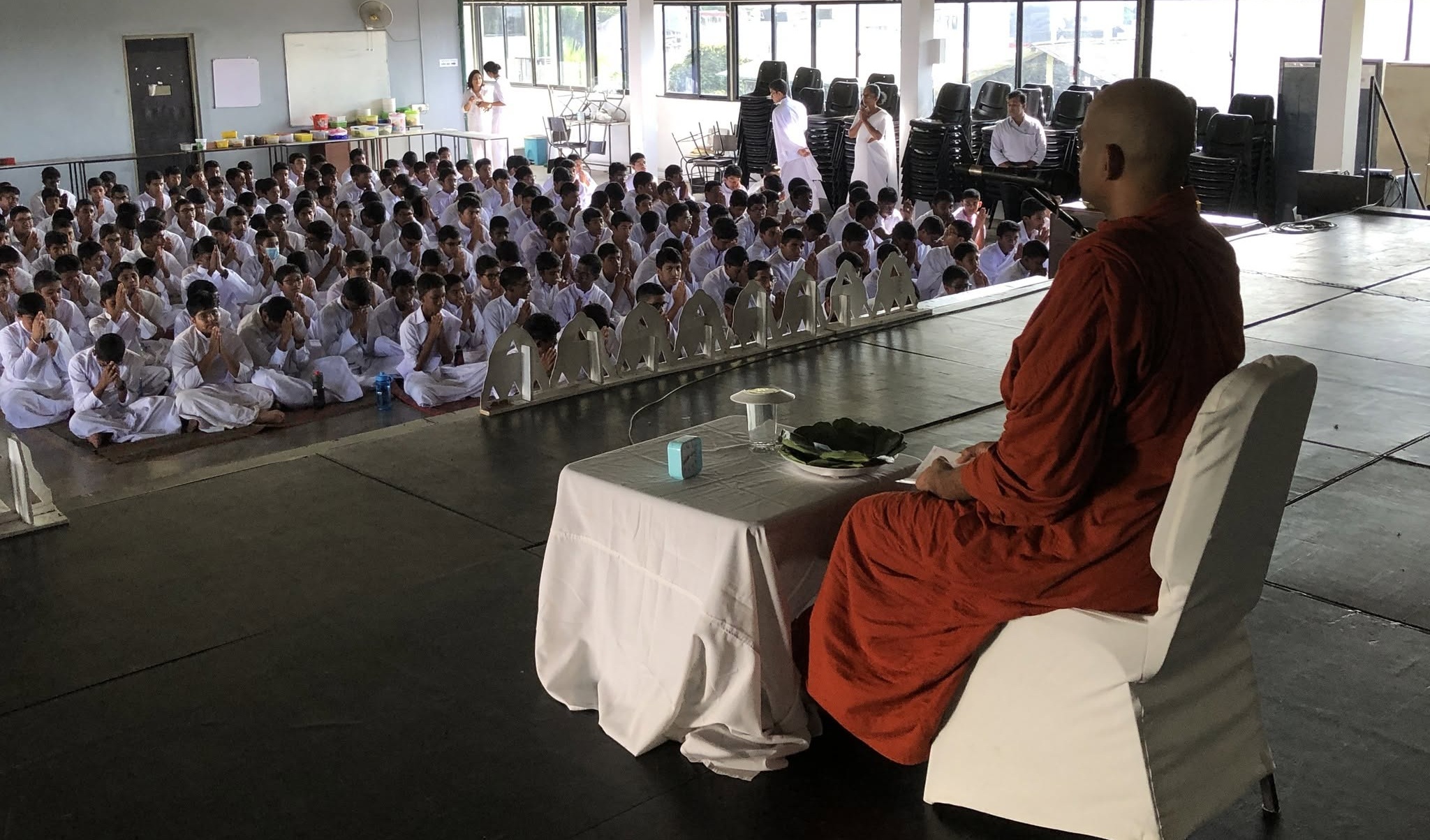
Throughout the year, we organize meditation workshops, mindfulness programs, Buddhist cultural events, and other special activities for children. Many of these programs are conducted in partnership with international schools, helping introduce the Buddha’s teachings and values such as kindness, compassion, gratitude, and ethical living to a wider audience.

Future Expansion Plans

We envision expanding this initiative significantly over the next five years.

Physical Dhamma School Expansion

  • Establish Dhamma School centers in Colombo and Kandy Sri Lanka 
  • Train volunteer teachers.
  • Recruit qualified paid teachers where necessary.
  • Develop standardized English-language Dhamma curricula.

Online Dhamma School Expansion

  • Expand online Dhamma classes for multiple age groups.
  • Train and support qualified Dhamma teachers.
  • Develop structured curricula tailored to different learning levels
  • Develop online learning resources.
  • Create recorded Dhamma lessons.
  • Produce educational videos.

Sustainability Plan

To promote sustainability and shared responsibility, participating families contribute a minimum donation of:

USD 10 per month per family

These contributions help offset operational expenses while ensuring that Dhamma education remains affordable and accessible.

However, family contributions alone are insufficient to support the growth and long-term sustainability of the project. Additional donor funding is therefore required.

Project Budget and Funding Needs

The project currently incurs expenses in the following areas:

Technology and Internet

  • Installation of Starlink internet service at the monastery in Wattegama, Sri Lanka.
  • Monthly internet subscription fees.
  • Website and online platform maintenance.

Equipment

  • Computers and laptops.
  • Multimedia projectors.
  • Cameras and audio equipment.
  • Equipment repairs and upgrades.

Administrative Costs

  • Nonprofit organization maintenance in the United States.
  • Nonprofit organization administration in Sri Lanka.
  • Accounting and compliance costs.

Personnel

  • Teacher stipends.
  • Administrative support staff.
  • Technical support personnel.
  • Future salaries for qualified Dhamma educators.

Facility Costs

  • Classroom rental in Kandy.
  • Educational materials.
  • Utilities and operational expenses.

Expected Outcomes

By supporting this project, donors will help:

  • Provide Buddhist education to children worldwide.
  • Strengthen Buddhist identity among overseas Sri Lankan families.
  • Promote ethical and responsible citizenship.
  • Preserve Theravada Buddhist teachings for future generations.
  • Expand access to quality Dhamma education throughout Sri Lanka and internationally.

Within five years, we aim to reach hundreds of students across multiple countries through both online and in-person learning platforms.

Monitoring and Evaluation

Project success will be measured through:

  • Student enrollment growth.
  • Attendance rates.
  • Parent feedback.
  • Student participation in quizzes and activities.
  • Teacher evaluations.
  • Expansion into new locations.
  • Retention of students over multiple years.

Conclusion

The English Dhamma School Initiative represents an important investment in the moral, spiritual, and cultural development of the next generation. Through modern technology, dedicated teaching, and authentic Theravada Buddhist instruction, this project connects children around the world with the timeless wisdom of the Buddha.

With the support of donors, volunteers, and community partners, Gothamachethiya Theravada Buddhist Association, Inc. seeks to expand this initiative to benefit many more children in Sri Lanka and across the globe.

Together, we can help preserve and transmit the Dhamma for future generations.

May all beings be happy and free from suffering.