Bak Full Moon Poya Day
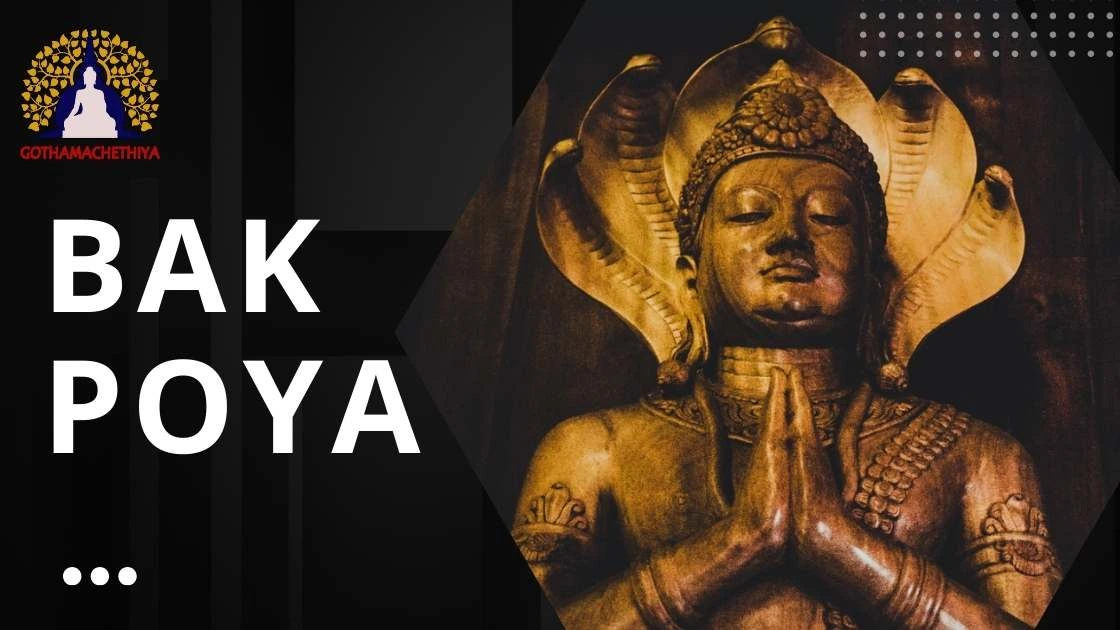
Bak Poya holds profound significance in the Buddhist calendar as it marks the second visit of the Buddha to Sri Lanka during the fifth year of his Supreme Enlightenment. According to the Mahavamsa, an epic poem chronicling the history of Sri Lanka, the Buddha’s visit was driven by the noble intention of resolving a conflict between two groups of Naga and restoring harmony to the land.
Peaceful Intervention in Nagadipa
The conflict at the center of the Buddha’s intervention involved Naga King Mahodara and his nephew, Chulodara, both belonging to the Naga community. The source of contention was a gem-studded throne, a precious heirloom passed down from Chulodara’s mother. The disagreement had escalated to the point of imminent battle.
Dhamma Sermons for Unity
The Buddha, recognizing the need for reconciliation, intervened just as the rival factions were poised for conflict. Through the power of his teachings, he not only quelled the dispute but also instilled a sense of unity and understanding among the warring parties. The Dhamma sermons preached by the Buddha became the catalyst for peace, fostering a newfound harmony on the island.
The Offering and Enshrinement
In a gesture of gratitude and reverence, the once-warring kings jointly offered the precious throne to the Buddha. However, demonstrating his humility, the Buddha graciously declined the gift. The throne, laden with significance, was returned to the Naga Kings. Subsequently, it found its eternal resting place within the Rajayathana stupa at Nagadeepa Rajamaha Viharaya, an ancient Buddhist temple erected on the very site where the transformative events transpired.
Bak Poya, therefore, stands as a testament to the Buddha’s compassionate intervention, his teachings of wisdom and unity, and the enduring symbol of a reconciled community. The narrative echoes through the sacred halls of Nagadeepa Rajamaha Viharaya, resonating with the timeless message of peace and enlightenment.
Medin Full Moon Poya Day
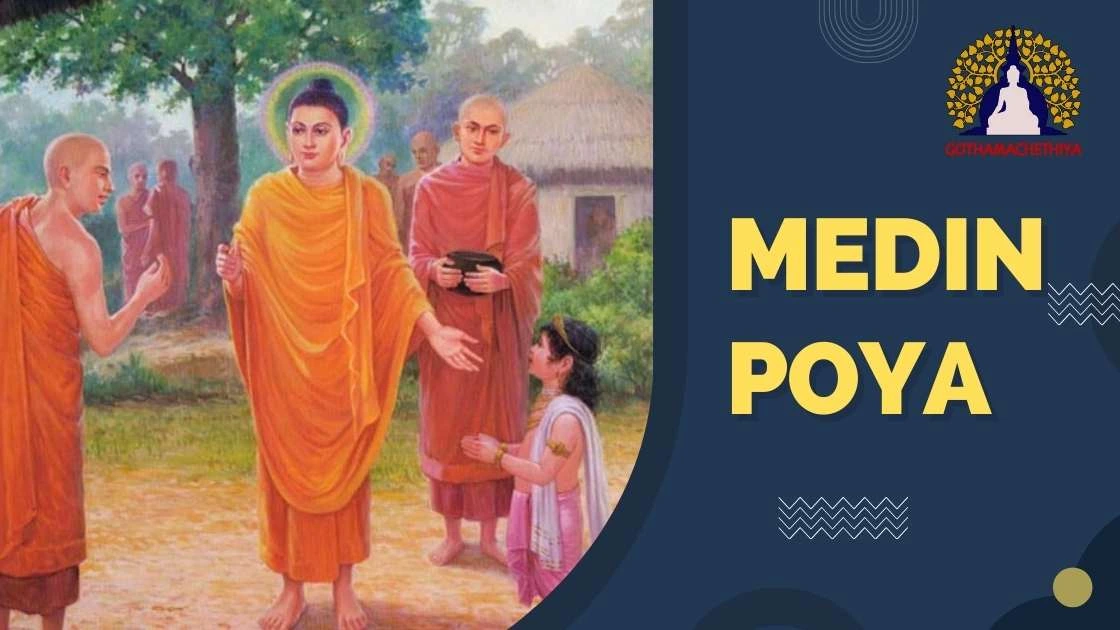
Medin Poya, falling in the month of March, holds profound significance in the Buddhist calendar, marking the day when Siddhartha Gautama Buddha, the Fully Enlightened One, visited his father, King Suddodhana, for the first time.
A Royal Invitation and a Unique Mission
In the seventh year after his enlightenment, Lord Buddha, accompanied by 20,000 bhikkus, responded to a heartfelt invitation from his father, who eagerly awaited the visit of the Samma Sambuddha. Minister Kaludai played a pivotal role in successfully bringing the Buddha back to Kapilawasthupura, His birthplace.
Significant Events Unfold
On Medin Full Moon Poya day, Lord Buddha’s return to His birthplace sparked several momentous events that would resonate through the ages.
- Twin Miracle: Upon the Buddha’s visit to Kapilavattu, the Shakyans extended a welcome but refrained from worshiping him, tainted by conceit. In response, the Buddha enacted the twin miracle, humbling the Shakyans and prompting widespread reverence, with even King Suddhodhana paying homage to the Enlightened One.
- Dhamma for the King: During this visit, the Buddha preached the Dhamma to King Suddodhana, who, in the twilight of his life, attained Sothapanna after embracing the teachings.
- Yasodhara’s Spiritual Awakening: Princess Yasodhara, Siddhartha’s grieving wife for seven years, found solace and enlightenment by embracing the Dhamma during this visit.
- Rahula’s Ordination: Siddhartha’s only son, Rahula, at the tender age of seven, was ordained as the first Samanera or novice monk during this visit.
- Nanda’s Renunciation: Prince Nanda, stepbrother of Lord Buddha, chose the path of renunciation, leaving behind worldly desires to become a devoted follower of the Dhamma.
National Commemoration and Reflection
Medin Poya is a revered national holiday in Sri Lanka, drawing Buddhists from across the country to temples where they offer flowers, meditate, and engage in Dhamma teachings. Business activities come to a standstill as the nation collectively reflects on the transformative impact of the Buddha’s teachings on the lives of those close to Him.
As Sri Lankans commemorate this historic event, the noble religious beliefs that guide their lives become evident, emphasizing the enduring influence of the Dhamma in shaping the cultural and spiritual fabric of the island.
Navam Full Moon Poya Day
Navam Full Moon Poya holds special significance in the hearts of Buddhists in Sri Lanka, marking two pivotal events that shaped the early foundations of Buddhism. This sacred occasion serves as a time of reflection, reverence, and commemoration.
Appointment of Chief Disciples
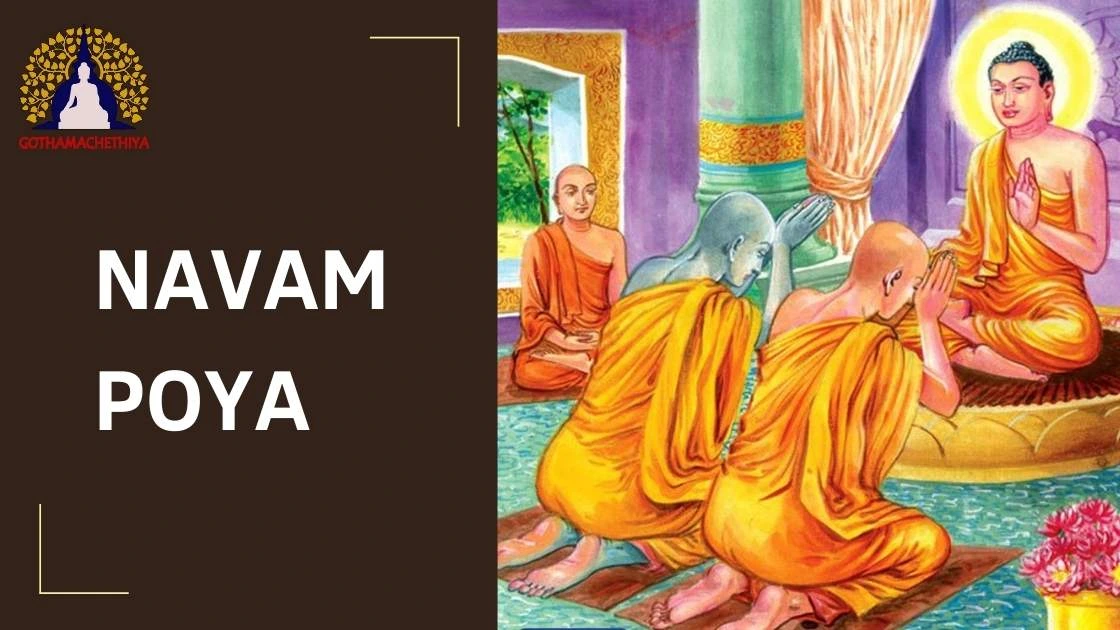
At the core of Navam Poya’s observance lies the commemoration of the appointment of Sariputta and Moggallana as the first two chief disciples (Aggasavakes) of Gautama Buddha. These esteemed disciples, renowned for their wisdom and spiritual prowess, played instrumental roles in the dissemination of the Buddha’s teachings.
Sariputta, often hailed as the “General of the Dhamma,” possessed an unparalleled understanding of Buddhist philosophy, contributing significantly to the explication and propagation of the Dhamma. Moggallana, distinguished by his extraordinary supernatural powers, added a dimension of awe to the Sangha, showcasing the diverse capabilities within the discipleship.
The First Sangha Gathering
Navam Poya also serves as a momentous reminder of the first Sangha gathering, an event that unfolded during the Buddha’s lifetime. During this gathering, the Buddha delivered the first Disciplinary advice to the monks, known as “Ovada Patimokkha.” This ethical guidance laid the groundwork for the monastic community’s conduct, ensuring the purity of the Dhamma and fostering a harmonious Sangha.
In temples across Sri Lanka, devotees engage in prayers, meditation, and rituals, retracing the footsteps of the early Sangha and expressing gratitude for the teachings that form the bedrock of Buddhist ethics.
The Buddha’s Detachment
Adding another layer of profundity to Navam Poya is the pivotal moment when the Buddha, three months before Vesak Poya, let go of the Life faculty. This act of detachment, occurring at the invitation of Mara, the evil one, symbolizes the Buddha’s transcendence beyond the realm of worldly existence. It marks a prelude to the ultimate attainment of Parinibbana on Vesak Poya day.
In this act of surrendering the Life faculty, the Buddha exemplifies the highest form of detachment, showcasing that true liberation lies in letting go of the transient and embracing the eternal. This poignant moment becomes woven into the fabric of Navam Poya, inviting devotees to contemplate the nature of impermanence and the path to ultimate liberation.
Observing Navam Poya Today
As devotees gather in temples adorned with vibrant decorations, Navam Poya becomes a celebration of spiritual heritage. Dressed in pure white, Buddhists engage in rituals, prayer, and acts of generosity. The observance of Sil, moral precepts, adds a dimension of ethical reflection to the festivities, fostering a sense of community and unity.
The full moon shines as a beacon of enlightenment, guiding Buddhists on a journey of introspection and reverence. Navam Full Moon Poya stands as a testament to the multifaceted spiritual legacy, intertwining the wisdom of Chief Disciples with the Buddha’s acts of detachment, creating a harmonious symphony of traditions that endure through the ages.
Durutu Full Moon Poya Day
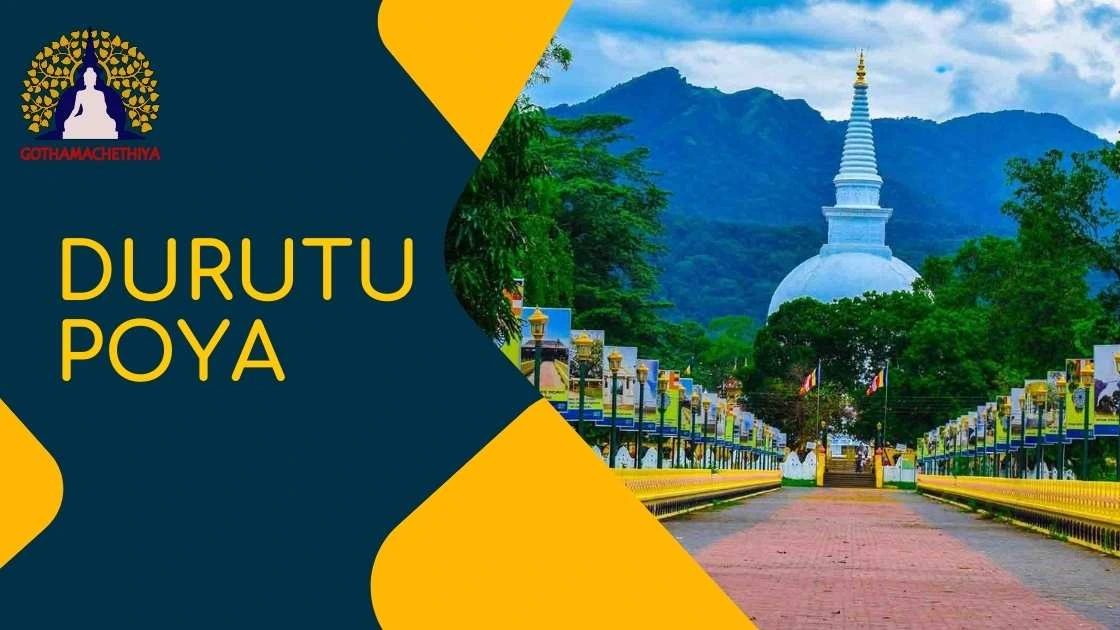
Duruthu Poya holds profound religious and historical significance in the Sri Lankan calendar, commemorating Gautama Buddha’s inaugural visit to the island just nine months after attaining Enlightenment.
Mahiyanganaya Visit
Approximately 2,500 years ago, Gautama Buddha made his first visit to Mahiyanganaya in the Uva Province of Sri Lanka. According to ancient Sri Lankan texts, such as the Mahavansa and Dipavansa, this visit aimed to tame the Yakkhas inhibited the island. During his stay, the Buddha delivered sermons to the local Deities that had a transformative impact.
Sacred Footprint on Samanala Mountain
The Buddha’s teachings left a lasting impression, both figuratively and literally. Impressed by the sermons, the local deity Sumana Saman invited the Buddha to leave his sacred footprint on the peak of the Samanala Mountain, which is today known as Sri Pada. Duruthu Poya marks the commencement of the three-month pilgrimage season to Samanala Mountain, where devotees worship the sacred footprint.
Kelaniya Raja Maha Vihara Procession
Duruthu Poya is further celebrated with a grand procession, known as the perahera, at the Kelaniya Raja Maha Vihara, a prominent Buddhist temple located about seven miles from Colombo. Taking place on the pre-full moon poya day, this spectacular event attracts thousands of spectators. The perahera, featuring dancers and animals, unfolds over two hours, showcasing the cultural richness and religious fervor of the occasion.
In years with two full moons in January, the second full moon poya is designated as Adhi Duruthu Poya. This additional celebration may coincide with the perahera, offering an extended opportunity for devotees to participate in religious and cultural observances.

Unduvap Full Moon Poya
Arrival of the Sacred Bo Tree Sapling
Unduvap Full Moon Poya celebrates a significant historical event linked to the arrival of the Bo tree sapling in Anuradhapura, Sri Lanka. This revered sapling was brought to the island by Sangamitta Theri, the daughter of Emperor Ashoka, marking a pivotal moment in the spread of Buddhism.
The roots of this celebration trace back to Lord Buddha’s attainment of Enlightenment under a Bodhi Tree in Bihar, India. In the 3rd century BC, Sangamitta Theri transported a sapling from the very tree associated with the Buddha’s enlightenment to Sri Lanka. The arrival of this sacred sapling coincides with Unduvap Poya day.
In 288 BC, King Devanampiya Tissa planted the Bo tree sapling in the Mahamevnāwa Park in Anuradhapura, where it continues to thrive today. Remarkably, it stands as the oldest living human-planted tree in the world with a known planting date, embodying the enduring spiritual connection between Sri Lankan Buddhists and this sacred relic.
Spiritual Homage in Anuradhapura
Unduvap Poya day draws thousands of devotees to Anuradhapura, creating a spiritual pilgrimage to pay homage to the sacred Bo tree. This revered relic holds profound significance for Buddhists in Sri Lanka and around the world, symbolizing the roots of their faith.
As part of the Unduvap Poya observance, devotees engage in rituals and activities centered around observing the five precepts. These ethical guidelines serve as a compass for leading exemplary lives and fostering a deeper connection with Buddhist teachings.
Rich Cultural Heritage
Anuradhapura, once a flourishing Ceylonese political and religious capital for 1,300 years, boasts a rich cultural heritage. Abandoned after a 993 AD invasion, the city remained hidden in dense jungle until rediscovered. Its splendid palaces, monasteries, and monuments have contributed to its UNESCO World Heritage Site status since 1982.
The inclusion of Anuradhapura on the UNESCO list signifies a cultural revival, allowing access to this historical site once again. Devotees and visitors alike can explore the remnants of a bygone era, immersing themselves in the cultural tapestry that underscores the enduring significance of Unduvap Full Moon Poya.
Ill Full Moon Poya Day
Ill Full Moon Poya, typically observed in November in the Western calendar, holds significance as the penultimate Poya of the year. This auspicious day marks the conclusion of the rainy season and the culmination of the three-month retreat known as Vassana-Samaya.
Traditions and Significance
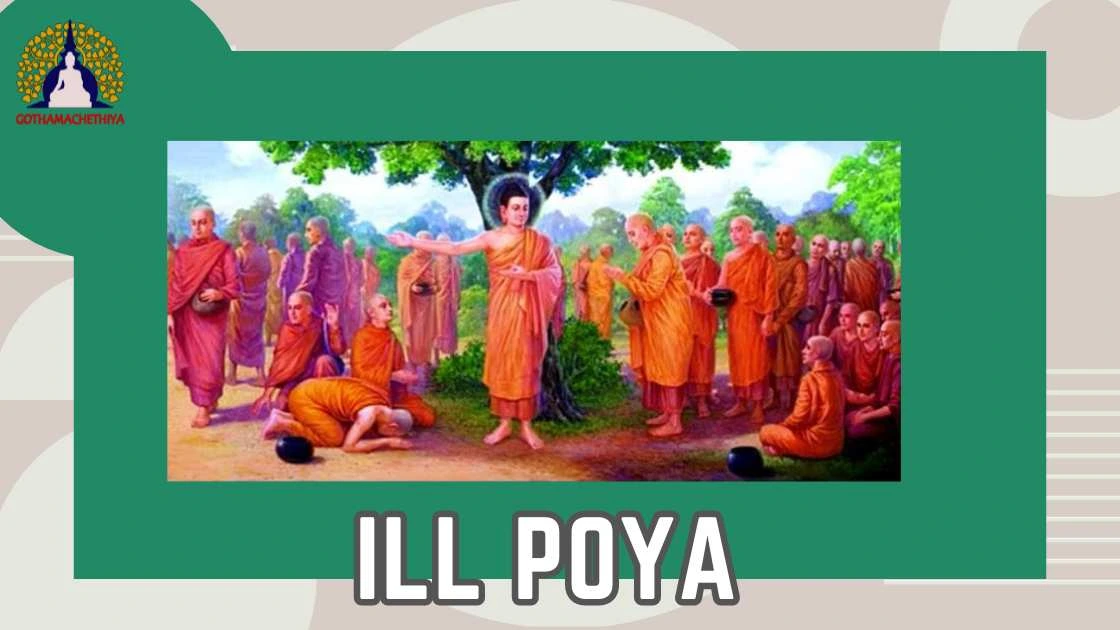
Ill Full Moon Poya is a celebration of the Bodhisatta Maitriya obtaining Vivarana—the assurance of becoming a Buddha. Additionally, it commemorates the moment when The Buddha commissioned 60 disciples to disseminate his teachings. A notable tradition associated with this Poya is the laying of the foundation stone for Thuparamaya, Sri Lanka’s first stupa after the introduction of Buddhism.
Rituals and Observances
On Ill Full Moon Poya, many Sri Lankan Buddhists embark on a pilgrimage to Thuparamaya in Anuradhapura. Here, they offer flowers and engage in reflective practices to honor the significant events tied to this bell-shaped stupa. The day serves as a time for deep contemplation on the profound teachings of the Buddha.
Cultural Pilgrimage to Thuparamaya
A distinctive aspect of the Ill Full Moon Poya is the cultural pilgrimage to Thuparamaya. Devotees travel to this historic stupa to pay their respects, fostering a connection with the rich Buddhist heritage of Sri Lanka. This pilgrimage becomes a communal expression of reverence and gratitude towards the teachings of the Buddha.
Vap Full Moon Poya Day
In the intricate tapestry of the Buddhist calendar, Vap Poya stands as the third most significant event, following Vesak and Poson. While Vesak in May is a global commemoration of the Buddha’s Birth, Enlightenment, and Parinibbana, and Poson in June marks the introduction of Buddhism to Sri Lanka, Vap Poya weaves its own narrative of historical and spiritual importance.
The Roots of Significance
The roots of Vap Poya’s significance stretch back over 2,500 years to the northern plains of India. It was during the royal Vap Magula, the Ploughing Festival, that King Suddhodana, the Sakya King of Kapilavasthupura, made a profound discovery. As royal astrologers had predicted at Prince Siddhartha’s birth, the young prince would grow up to be a great man. The event unfolded as the king, the first to furrow the land, made the soil ready for its first paddy seeds. However, during this auspicious ceremony, the five-month-old Prince Siddhartha went missing.
A Divine Revelation
In a state of panic, King Suddhodana searched for his son, only to find him in a leafy glade, seated cross-legged in a lotus pose, absorbed in deep meditation with his frame levitating. This extraordinary sight moved the king to pay salutation to his son, and thus, Vap Poya became etched in history as the day when Prince Siddhartha’s spiritual prowess was revealed.
Return from Tavatimsa
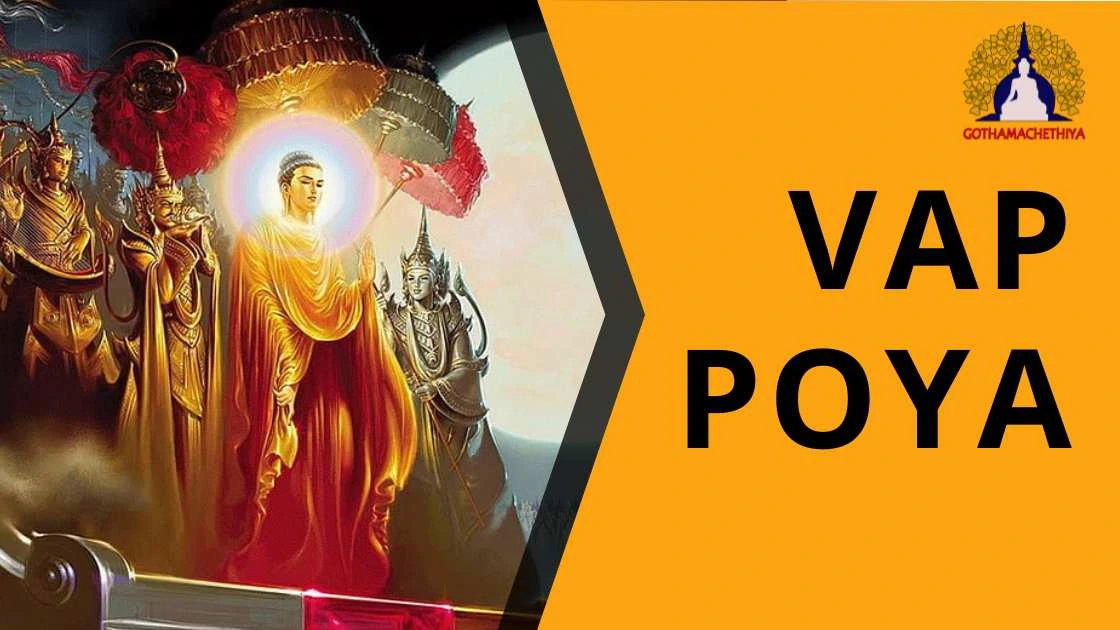
As the narrative unfolds, Vap Poya takes on even more layers of significance. It was on this full moon day that Gautama Buddha returned to Sankassa Pura from the heavenly abode of Tavatimsa. His mother, who had passed away seven days after giving birth to him, resided there. In a profound moment, Buddha preached the Abidhamma, the deepest aspect of his philosophy, to his mother. This act enabled her to attain ‘Sotapanna,’ the first of the four states leading to Enlightenment.
Historical Events
The future Buddha, as a Bodhisattva still on the path, entered the Order with 500 followers on Vap Poya. Sri Lankan Buddhists also commemorate significant events related to the establishment of Buddhism in their country on this day. King Devanampiyatissa, desiring the ordination of his sister-in-law Anula Devi as a Bhikkuni, requested Indian Emperor Asoka to send his royal daughter Sanghamitta Theri to the island. Her arrival marked the establishment of the Bhikkuni Sangha, allowing Anula Devi to be ordained as a Buddhist nun. Additionally, Sanghamitta Theri brought a sapling of the sacred Bodhi Tree, which still thrives in Anuradhapura, symbolizing the deep roots of Buddhism in Sri Lanka.
Establishing Buddhism in Sri Lanka
Aritta, the King’s Minister, entered the Order on Vap Poya, a crucial step in firmly establishing Buddhism on the island, as advised by Arahant Mahinda. The day also sees the continuation of the Katina Pinkama, an observance lasting a lunar month until the November full moon day. During the Buddha’s time, this period, known as ‘Wassana Kalo,’ marked the rainy retreat when monks stayed inside their temples. Lay people provided daily meals and other necessities, a tradition upheld even in modern times.
The post-Vap Poya period signals the end of Buddhist Lent, marking Buddha’s return to earth after preaching the Abhidamma in Tavatimsa.
Harmony of Agriculture and Spirituality
Amidst these spiritual celebrations, the October monsoon rains usher in the Maha paddy season. Vap Magula, a special plowing ceremony, becomes a symbolic act led by the Head of State and farmers, signifying the beginning of sowing the nation’s staple diet – rice. The intersection of agricultural traditions and spiritual observances during Vap Poya reflects a harmonious blend of sustenance and spirituality in Sri Lanka.
Public Holiday and Spiritual Reflection
As Buddhists participate in age-old religious activities during this public holiday, the full moon day of Vap, the seventh month in the Sinhalese calendar, takes center stage. It’s a time to reflect on the richness of traditions, the deep spiritual roots of Buddhism, and the enduring tapestry of cultural practices that continue to shape the identity of Sri Lankan Buddhists.